The system is
the product.
Five years building operational software, a live CRM running my own luxury business, and one belief I keep coming back to: a good system disappears into the work instead of adding to it.
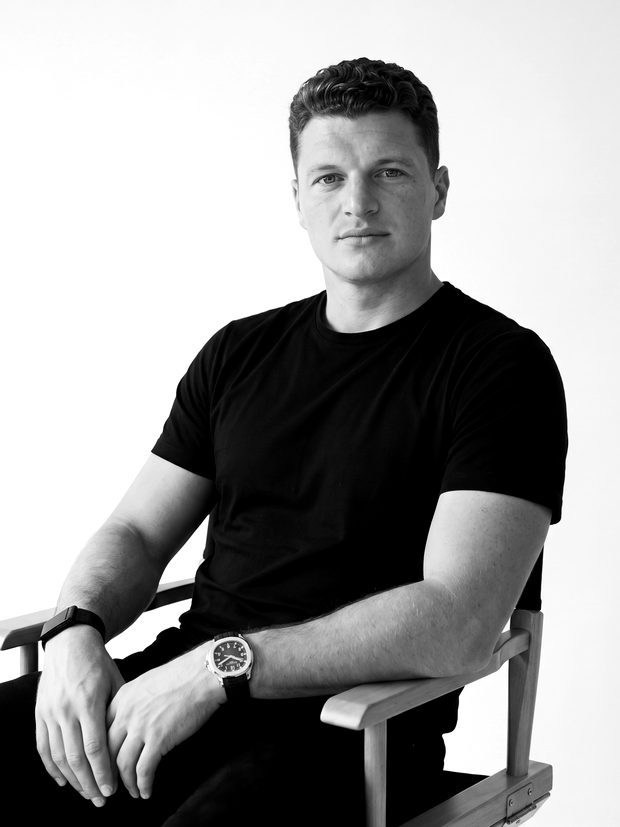
Serious work,
taken personally.
For five years I've built for businesses where the details actually cost money — luxury watch and handbag resale, luxury car rental and sales, private villa listings, luxury clinics and the service ateliers behind them. Operations running on spreadsheets, WhatsApp threads and someone's memory, moving pieces worth more than the system managing them. It taught me to build software that survives a real working day, not just a screenshot.
What I actually sell isn't the screens. It's the thinking behind them: understanding how the operation really runs, replacing the parts that leak time, and shipping something the team will still be using in two years.
I built the system that runs The Refined Luxury — intake, servicing, resale, consignment, financials, staff — and I run my own business on it every day. That's the whole pitch, and it's why I don't outsource anything.
How I think
about building.
Every animation has to direct attention, reveal structure, or confirm an action. If it cannot be defended by one of those three, it comes out. Restraint is the point — this brand does not bounce.
A nice-looking page is a moment. A system that still works after two years of staff turnover is a business asset. Config over hardcoding, clean data separation, reusable components — about 10% more effort now, and it saves the rewrite later.
Most people who build websites have never shipped software this complex. Dense application UI, framed properly, does more selling than any headline I could write. So the frame gets designed first and everything else serves it.
Every build carries a recurring attach. Hosting, monitoring, updates, continuous improvement. Nothing gets handed over and abandoned — that recurring layer is the actual business, on both sides.